Parenting with Purpose
Encouraging Growth and Development of Well-Adjusted Children
Beyond the Presents: Why Volunteering is a Gift to Our Kids
Beyond the Presents: Why Volunteering is a Gift to Our Kids
In our culture, November and December are often described as “the season of giving.” During these months, generosity tends to rise, whether through financial donations, giving time, or sharing skills. Food drives fill our calendars, volunteer opportunities multiply, and communities rally around supporting local charities, food banks, shelters, and individuals who may be struggling during the holidays.
The festive season naturally stirs a spirit of gratitude and compassion. Many people feel a stronger desire, and more opportunities to help others by packing food, assisting the elderly, serving children, or simply spreading kindness close to home. Volunteering during this season can be deeply fulfilling. It can provide not only meaningful ways to meet community needs but also a sense of connection and even relief from the stress that often accompanies the holidays.
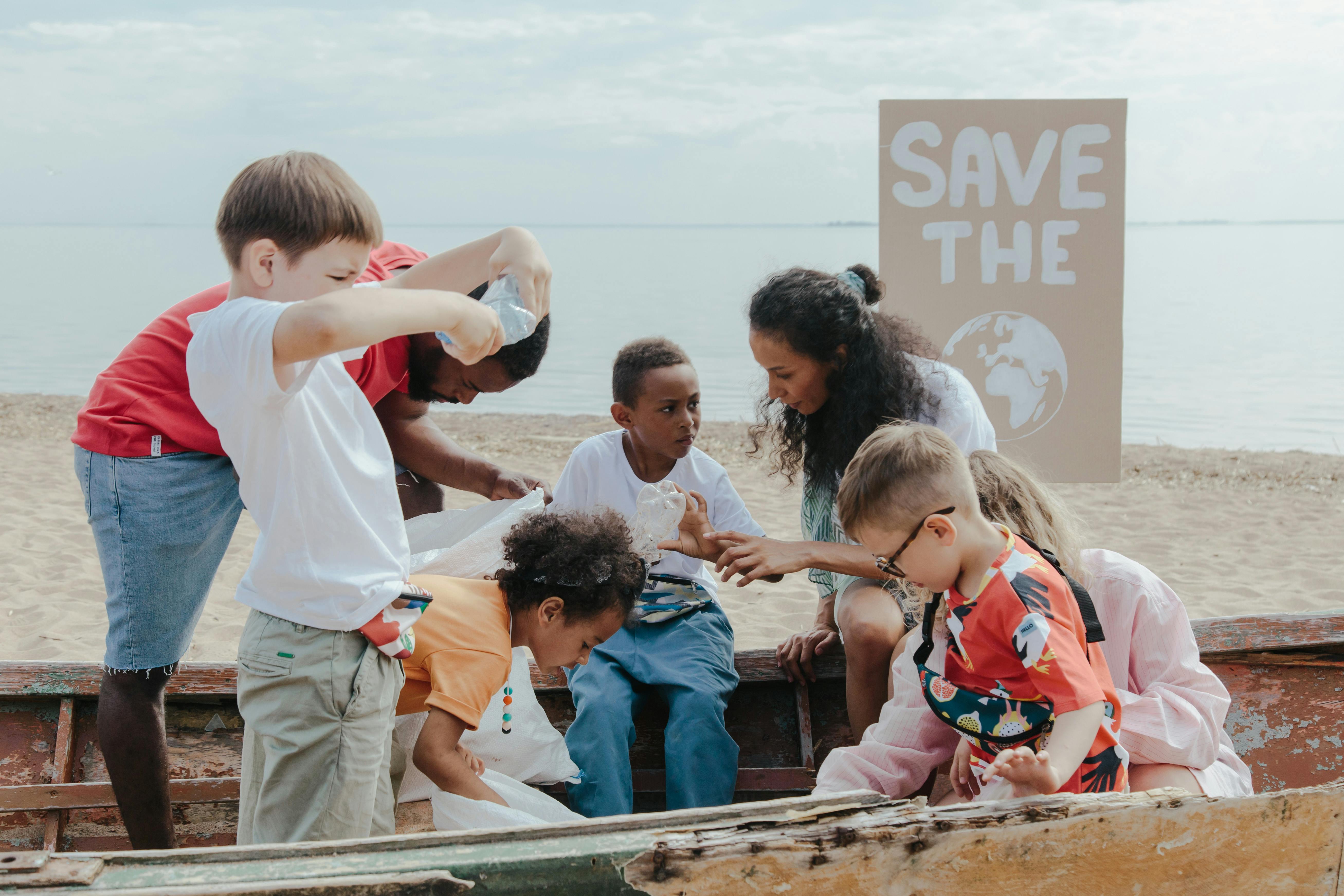
This emphasis on giving creates a powerful opportunity to invite children into the world of service and good works. Volunteering allows kids to take part in positive, concrete actions that support their community and contribute to something larger than themselves.
While the benefits to those being served are often easy to see, research tells us something equally important: children who volunteer experience significant personal benefits as well, both immediately and well into the future. Volunteering isn’t just something kids should do. Teaching our children to volunteer is actually a gift to them, one that supports their emotional health, character development, and overall well-being. Below are some of the key research-backed benefits children gain when they volunteer.
Research across developmental psychology, public health, and positive psychology consistently finds that volunteering is linked to stronger mental health, emotional resilience, and long-term well-being for children and adolescents. These benefits are not short-lived, they help shape lifelong habits and outcomes.
Volunteering Supports Mental Health and Emotional Well-Being
One of the most compelling findings is the link between volunteering and mental health. One study found that children and adolescents who volunteer are 18 to 35% less likely to experience depression, with teens showing significantly lower levels of anxiety.
Helping others has been shown to improve mood, increase happiness, and reduce stress. Research from Harvard Medical School has also found strong connections between volunteering and overall well-being, personal satisfaction, and even long-term health. When children care for others, they strengthen patience, deepen relationships, and experience the kinds of fulfillment that supports emotional balance.
Builds Self-Esteem and Confidence
Serving others gives children opportunities to step outside their comfort zones, try new roles, and see the real impact of their efforts. Completing volunteer tasks, and knowing they mattered, helps children feel capable and valued.
Children who volunteer often experience a sense of accomplishment and pride in their abilities. This boost in self-esteem doesn’t stay confined to the volunteer setting; it carries into school, friendships, and family life, helping children feel more confident and competent overall.
Strengthens Social Skills and Empathy
Volunteering naturally introduces children to people from different backgrounds and life circumstances. By working alongside others or directly helping those in need, children practice communication, cooperation, and compassion.
These experiences are foundational for developing empathy and emotional intelligence. When children begin to understand how others live and what others may be facing, their own challenges are often put into perspective.
Reduces Stress and Feelings of Loneliness
Even during the holidays, many children experience stress, anxiety, or feelings of isolation. Volunteering can be a powerful antidote.
Helping others creates a sense of belonging and connection, protective factors against loneliness and emotional distress. For children who feel disconnected or overwhelmed, service provides a constructive outlet for their emotions and a reassuring sense that they are part of something meaningful.
Increases a Sense of Purpose, Gratitude, and Connection
Volunteering allows children to see that they can make an important contribution. This fosters a sense of purpose and strengthens gratitude, both of which are strongly linked to improved mental well-being and resilience.
As children shift their focus from getting to giving, they often experience a cognitive and emotional shift as well. Research suggests that gratitude practices can reduce rumination, overthinking, and entitlement, helping children develop a more balanced and positive outlook on life.
Builds Emotional Resilience and Coping Skills
Volunteer experiences aren’t always easy, and that is valuable. Children may need to practice patience, manage disappointment, or navigate an unfamiliar situation.
These moments can help build emotional resilience. Volunteering becomes a quiet but powerful way to strengthen emotional regulation and inner confidence.
Yes, Volunteering Is a Gift to Our Children
When we invite children to volunteer, we are doing more than helping our communities. We are supporting our children’s mental health, nurturing empathy, building confidence, and helping them develop a sense of purpose and connection.
The research is clear, volunteering supports happier, healthier, and more resilient kids. Teaching our children to serve others is not a burden or an obligation, it is a gift that keeps giving, long after the holidays are over.
Curious about how to turn these benefits into real-life experiences for your children? In my next blog, I’ll share practical, age-appropriate ways families can begin volunteering together and build habits of service that last. For many families, the weeks after the holiday provide a natural window to get started.

Instagram: parentingtoolchest
Facebook: Parenting Tool Chest