Parenting with Purpose
Encouraging Growth and Development of Well-Adjusted Children
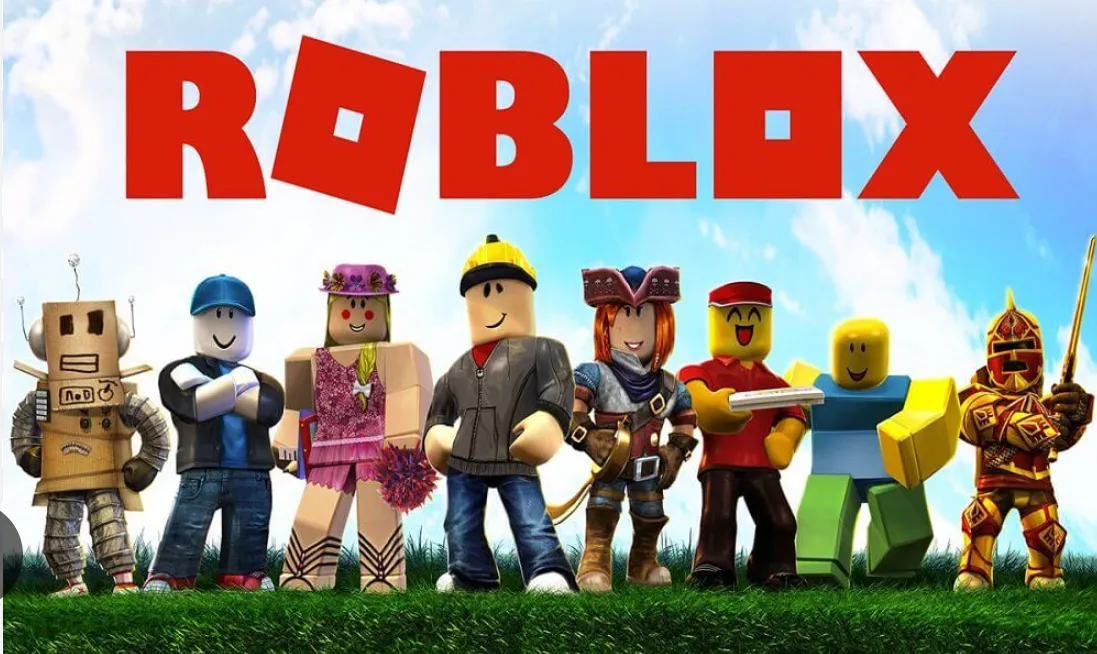
Roblox and Kids
Roblox and Kids: What Parents Should Know Before Saying Yes (or No)
If Roblox has come up in your house, you’re not alone. For many kids, Roblox isn’t just a game—it’s where they play, create, connect, and socialize. And for many parents, it raises a familiar question: Is this actually safe for my child?
Roblox operates less like a single video game and more like a massive online playground. Millions of user-created games live on the platform, which means kids aren’t just consuming content; they’re interacting with other players, many of whom they don’t know. That alone makes Roblox worth a closer look.
When “Kid-Friendly” Gets Complicated
Roblox is often marketed as a child-friendly space, and to be fair, the company does offer more parental controls than many online platforms. But a growing number of parents, researchers, and child safety advocates have raised concerns about what children are actually experiencing while playing.
One challenge is that Roblox includes features that closely resemble social media—private messages, friend requests, and chat options that can connect kids with strangers. While these tools are meant to support play and creativity, they can also open the door to interactions that are confusing, uncomfortable, or unsafe for children.
Another common concern is money. Many games encourage in-game purchases, and kids often feel pressure to spend real dollars to keep up or unlock features. Some children have even been manipulated or scammed by other users or automated accounts.
Parents have also expressed concern about content itself. While many games are harmless and creative, others include violent themes, graphic imagery, or sexualized behavior that is not appropriate for children. In some cases, these environments have been used by adults to target and groom minors through chat features.
Why Parents Are Paying Closer Attention
Over the past several years, reports of negative experiences on Roblox have increased. Child safety advocates and researchers have raised alarms, and multiple U.S. states have filed lawsuits alleging the platform failed to adequately protect minors from harmful content and predatory behavior.
At the same time, Roblox continues to emphasize its safety tools and moderation efforts. And here’s where many parents feel stuck: the controls exist, but they rely heavily on trust,trust that children will follow the rules, and trust that moderation systems will catch every bad actor. For many families, that feels like a lot to ask.
There’s No Single “Right” Answer
When parents learn about these risks, reactions vary. Some decide Roblox isn’t a good fit for their family and choose to step away entirely. Others allow their child to play with strict boundaries, supervision, and regular check-ins. Both approaches can come from the same place: wanting to protect and support a child’s well-being.
As a parent educator, I want to be clear—there isn’t one correct conclusion. What matters more than the decision itself is how that decision is made.
What Parents Can Do
Rather than reacting out of fear, families are best served by staying informed, staying involved, and staying connected.
Start by learning about the platform yourself. Spend a little time exploring how Roblox works, how kids communicate, and how money flows through the games. Knowledge gives you confidence and helps conversations feel calmer and more productive.
Keep communication open and ongoing. Ask your child what they enjoy about playing, what feels frustrating, and whether anything has ever made them uncomfortable. These conversations are most effective when they happen regularly—not only when there’s a problem.
Use parental controls as one layer of protection, not a guarantee. Safety settings can help reduce exposure, but they work best when paired with supervision and clear expectations.
Set boundaries that fit your child’s age and maturity. That might include limits on chat features, spending money, or which games are allowed. When possible, explain the reasoning behind the rules so kids understand you’re guiding, not just restricting.
Pay attention to how your child feels after playing. Changes in mood, increased secrecy, pressure to spend money, or emotional distress are signals worth slowing down and checking in.
Most importantly, make sure your child knows they can come to you. When kids trust that honesty won’t lead to shame or immediate punishment, they are far more likely to speak up when something doesn’t feel right.
A Strengths-Based Perspective
At The Parenting Tool Chest, we believe children thrive when parents combine awareness with connection. Online platforms like Roblox don’t require all-or-nothing thinking—but they do require intentional parenting.
By staying informed, nurturing open communication, and helping kids build discernment and confidence, parents can support their children in navigating digital spaces more safely. Whether Roblox is part of your family's world or not, those skill will serve them well far beyond any single platform.

Instagram: parentingtoolchest
Facebook: Parenting Tool Chest