
Parenting with Purpose
Encouraging Growth and Development of Well-Adjusted Children
Why Gratitude Matters for Kids (and How to Grow It at Home)

The Everyday Practice That Helps Kids Thrive: Growing Gratitude
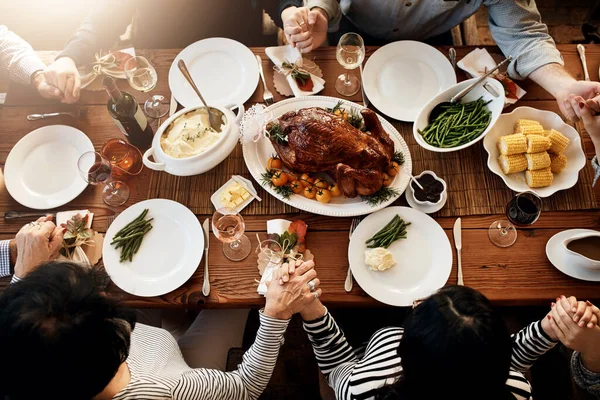
During November, gratitude discussions show up everywhere. Kids hear about it at school, church, and often around the Thanksgiving dinner table. Since thankfulness is already in the air, this is a natural moment to help them practice thankfulness in ways that last longer than the leftover turkey.
Gratitude is a skill children can build with a little practice, and the benefits are worth it. Studies consistently show that kids who learn to focus on gratitude are happier and more connected to the people around them. It strengthens empathy, steadies their emotions, and helps them interrupt those spirals of negative thinking that can take over on tough days.
Why Gratitude Matters
Even young children can learn to pause and notice something good. Research with early elementary children shows that those who practice gratitude tend to be more content and more aware of the needs of others. As kids get older, the pattern continues. Grateful children often feel more hopeful about the future, lean on their friendships more, and show up at school with a bit more energy. Children who grow up with this habit also tend to be kinder in small, everyday moments, which is precious to watch unfold.
The impact is even stronger for teenagers. Grateful teens report better grades, more satisfaction in their daily lives, and deeper engagement in activities they care about. Many feel more supported by the adults and peers in their lives.
Another quiet benefit: gratitude loosens the grip of entitlement. It moves kids out of the constant “What else can I get?” to “Look at what and who I already have.” That shift alone can make a difference in the home.
There’s a physical side to all this, too. Gratitude practices lower stress hormones like cortisol and activate brain regions tied to positive emotions and social connection. Practicing gratitude also activates and strengthens the brain’s reward pathways and increases feel-good chemicals like dopamine and serotonin, which naturally lift one’s mood and create a sense of well-being. The brain literally lights up in different ways when children think about what they’re thankful for.
How Kids Grow Their Gratitude Muscle
Most families begin with teaching children to say “thank you.” That’s an excellent beginning. But gratitude is deeper than good manners. It’s a mindset, a way of moving through the world.
Here are some practical ways to help children grow gratitude all year long:
Model Gratitude in the Ordinary Moments
Kids notice a lot. Let them hear you thanking a neighbor who brought in your trash bin, the grocery clerk who went hunting for the brand of yogurt your child loves, or the coach who took a moment to encourage your child that week. Tell them when something made your day easier, even something tiny like a stranger holding the door when your hands were full. These small moments sink in.
Hunt for the Good Together
Make noticing good things a habit you practice together. The “Rose, Bud, Thorn” practice works well at dinner or in the car ride home.
Rose: something good from the day
Bud: something they’re looking forward to
Thorn: a challenge they bumped into
It’s simple and helps kids scan their day for things worth appreciating, even those hard days.
Point Out Thoughtfulness When You See It
Kids don’t always recognize kindness as it happens. Help them catch it. When someone lets you merge in heavy traffic, say it out loud. When a child shares their Cheez-Its after another kid drops theirs in the dirt, point out the generosity. Naming these things teaches kids to notice things we appreciate.
Talk About the Feelings Behind Gratitude
Connect gratitude to emotions. Tell them how you felt when someone surprised you with kindness or helped you out of a tough spot. Ask what it feels like for them when a friend shares a toy or includes them in a game. Talk about the gift they received at a birthday party and what they liked most about it. These conversations give the habit roots.
Let Kids Express Thanks in Their Own Way
Some kids will happily write a thank-you note. Others would rather draw a picture, bake cookies, record a short video, or offer a hug that nearly knocks you over. Let their personality and interests guide it. Gratitude sticks better when it feels natural.
Add Gratitude to a Bedtime Habit
Before lights out, ask your child to name three things they’re grateful for. On tough days, the list may be simple like being grateful for the dog, pizza, and recess, but practice still matters. It helps settle their mind and has been linked to lower depression in both kids and adults.
Look for Silver Linings on Hard Days
When something goes sideways, help them look for the small bits of good inside it. Maybe they learned patience or got help from someone kind. A broken toy might turn into a chance to fix it together and learn how gears and hinges work. Often, the benefits of a struggle show up later.
Create a Gratitude Jar, Board, or Project
Make gratitude visible. Your family can jot notes and drop them in a jar, pin them to a board, write them somewhere everyone will see, or record them in a journal. In our home, we painted a leftover pumpkin and covered it in Sharpie gratitude notes. It sat on the counter and quietly invited all of us to keep adding to it.
Reinforce It When You See It
When your child shows appreciation, using words or actions, name it out loud. “I notice how you thanked your friend for cleaning up the milk spilled on the lunchroom floor. That was thoughtful.” Gentle reinforcement strengthens the habit.
Encourage Giving and Service
Serving others deepens gratitude. Clean out toys, books, and clothes together and talk about how another child might enjoy them. Pack bags at a food bank. Bring dinner to a foster family. These small acts help kids see their impact and understand the wider world.
A Lifestyle of Thanks
November is a beautiful time to focus on gratitude, but it’s just the beginning. As parents, we can help our children build a lifetime habit of noticing the good, valuing others, and expressing appreciation in ways that fit who they are.
When we nurture gratitude year-round, we’re not just raising polite kids. We’re shaping compassionate, resilient humans who recognize the gifts woven through their everyday lives. And that’s worth celebrating all year long.

Instagram: parentingtoolchest
Facebook: Parenting Tool Chest