
Parenting with Purpose
Encouraging Growth and Development of Well-Adjusted Children
Helping Kids Learn to Love Helping Others: Practical ways parents can make volunteering meaningful
Helping Kids Learn to Love Helping Others: Practical ways parents can make volunteering meaningful
Volunteering is one of those things most of us agree is “good for kids.” It helps meet real needs in our communities and supports people and organizations doing important work every day. That part is easy to see. What’s easier to miss is what happens inside the child who is serving.
When volunteering goes well, it does more than help others. It shapes how children see themselves and their place in the world. And those effects don’t disappear when the service project ends.
Many adults who volunteer report a “helper’s high,” that good feeling that comes from doing something meaningful. Research shows it’s more than a passing mood boost. Adults who volunteer regularly tend to experience better mental health and increasing levels of happiness over time. In one long-term study that followed participants for 20 years, happiness didn’t just remain steady for the volunteers. It grew the longer they stayed involved.
That’s true for adults. And there is growing evidence that children benefit in many of the same way. When children volunteer, they have opportunities to practice empathy, kindness, and perspective in real situations, not just conversations at home. Volunteering can support self-esteem, help manage stress, and act as a buffer against anxiety and depression. It gives kids a chance to feel useful and connected, which matters more than we sometimes realize.
In a separate blog, Why Volunteering is a Gift to Our Kids, I take a deeper look at the research-backed benefits of volunteering for children, including how it supports mental health, character development, and resilience.
The way we introduce volunteering matters. Most parents don’t struggle with wanting their children to be kind and helpful. The challenge is helping that desire come from the inside.
When acts of service feel forced, performative, or overly praised, kids may participate. However, they’re less likely to internalize why helping matters. Our goal isn’t to raise children who volunteer because they’re told to or because it’s a school club’s requirement. We want to nurture internal motivation: a growing sense that helping others aligns with who they are and what they value.
That doesn’t happen through one big service project or a perfectly planned experience. It grows through small, thoughtful moments over time.
Here are some practical, realistic ways to help children build a positive, lasting relationship with volunteering.
·Lead by Example
Children pay far more attention to what we do than what we say. When they see us helping others, formally or informally, they learn that caring for people is part of everyday life. This might look like inviting a child to help drop off a meal, letting them see you support a cause you care about, or simply modeling everyday kindness. Often, just letting them observe is enough.
·Choose Age-Appropriate Tasks
When it comes to volunteering, bigger is not better. Young children usually do best with short, hands-on activities. Teens may be ready for longer commitments or more responsibility. When expectations match a child’s developmental stage, helping others feels manageable and even enjoyable, instead of overwhelming. A child who leaves feeling capable is far more likely to want to help again.
·Start Small.
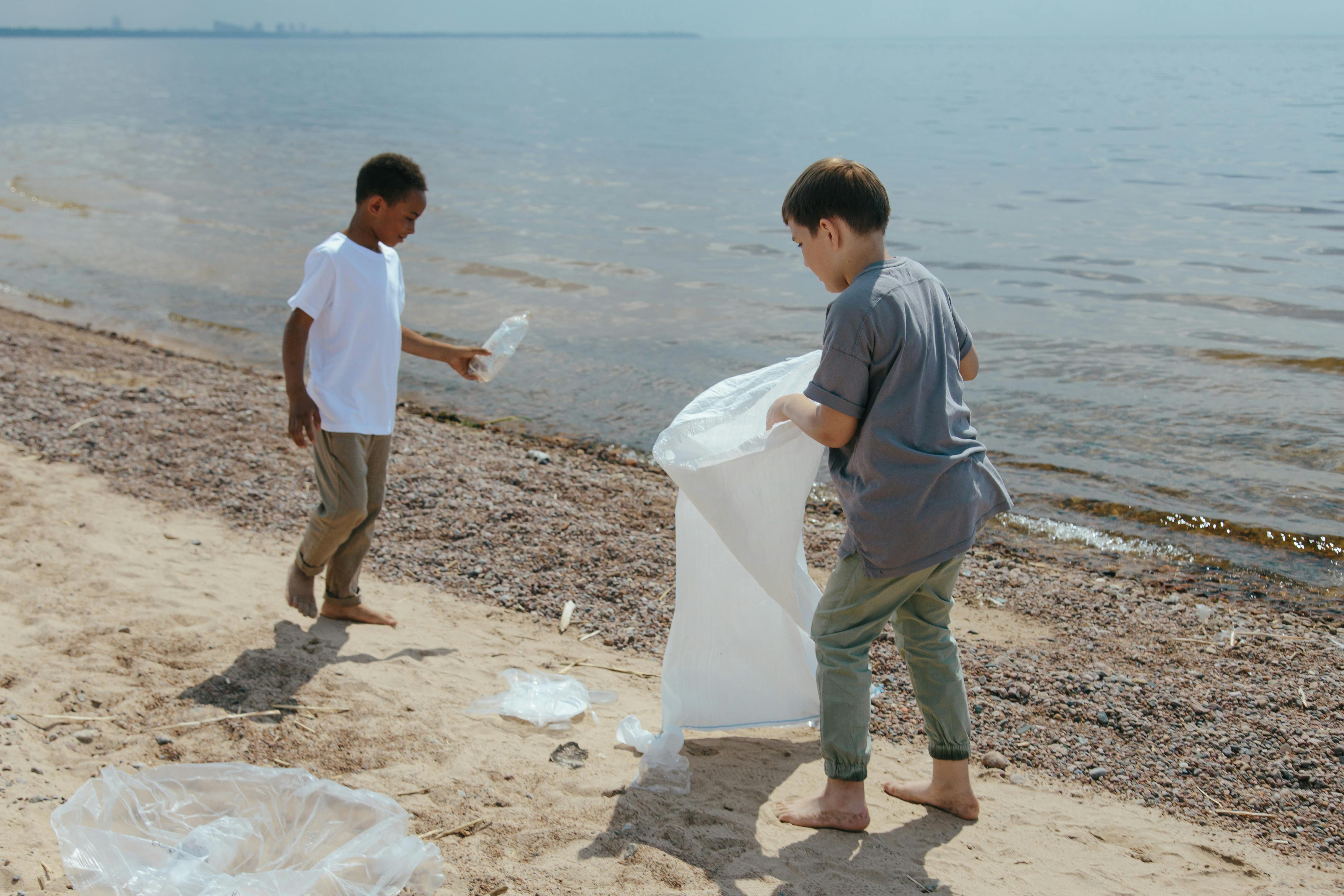
Small acts really do matter. It’s easy to think volunteering has to be a big event to count. It doesn’t. Ten minutes of picking up litter, making cards for someone who is sick, or helping sort donations can be plenty. These smaller experiences often give children a clearer sense of impact than larger, more abstract efforts. Small acts build confidence. And confidence opens the door to do more.
·Match Opportunities to Your Child’s Interests and Strengths
Children are more engaged when helping connects to something they already care about. A child who loves animals, enjoys being creative, or likes to build things will respond differently to different kinds of service. Also, when possible, let children have a voice in choosing how they help. Feeling some ownership matters.
·Volunteering Together as a Family
Family volunteering can be a powerful shared experience. Serving side by side allows children to learn through participation and observation, while also strengthening connections within the family. The experiences also send a quiet message: This is something we value together. This is what we do.
Afterward, a gentle question like, “What did you notice?” or “How did that feel?” can help them reflect without turning the moment into a lesson. Sometimes, the experience itself does more teaching than our words ever could.
·Think Beyond Formal Organizations
Some of the most meaningful service happens close to home.
Helping an elderly neighbor, bringing someone cookies, collecting gently used coats for the homeless, or random acts of kindness all count. These informal acts are often especially accessible for younger children and help reinforce the idea that helping others is part of everyday life, not something reserved for special occasions or the holiday season.
Remember, volunteering doesn’t need to be perfect to be meaningful. When children experience helping others as doable, genuine, and connected to who they are, it begins to shape how they move through the world. Over time, those small moments of service can grow into a lasting sense of compassion and responsibility.
There’s no rush, and no single right way to do this. Start where you are. Start small. And trust that the seeds you’re planting matter.

Instagram: parentingtoolchest
Facebook: Parenting Tool Chest